ADHD Explained
ADHD: What’s Actually Happening
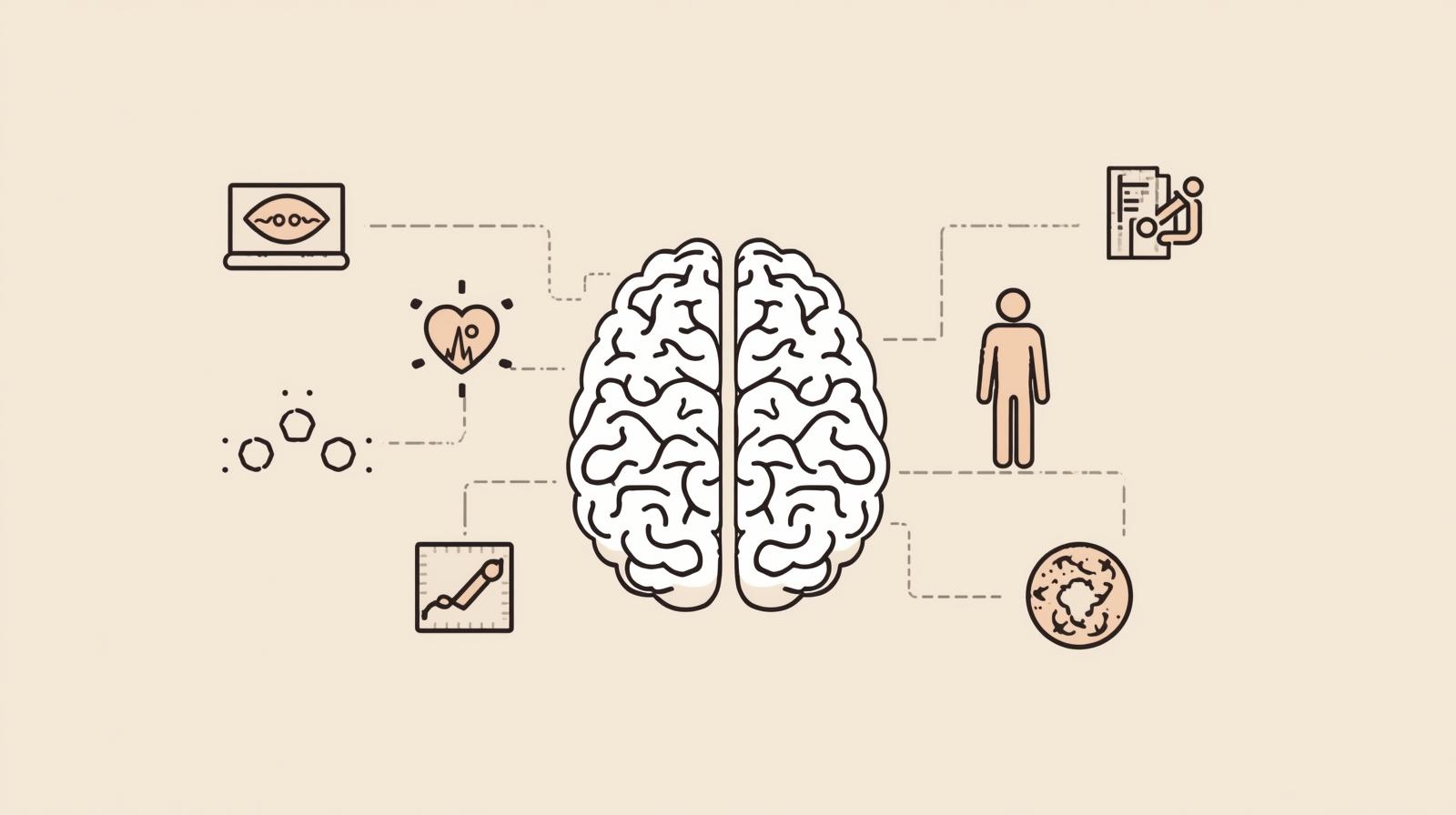
ADHD is not laziness, lack of intelligence, or a motivation problem. It is a difference in how the brain regulates attention, energy, and executive functioning. The issue isn’t effort. The issue is that the brain struggles to consistently manage focus, organization, and follow-through.
When ADHD shows up, it often looks like difficulty starting tasks, staying focused, remembering details, or completing things in a linear way. You may feel mentally scattered, overwhelmed by simple tasks, or stuck between wanting to do something and being unable to begin. This happens automatically. It is not a choice, and it is not a character flaw.
This is why ADHD can feel confusing and frustrating. Logic comes second. Telling yourself to “just focus,” “try harder,” or “be more disciplined” doesn’t work because ADHD is not about knowing what to do. It is about difficulty activating, sustaining, and shifting attention. Even when you care deeply, your brain may not cooperate the way you want it to.
Another important part of ADHD involves dopamine, a brain chemical that supports motivation, focus, and task initiation. Dopamine helps the brain decide what feels worth starting and sticking with. In ADHD, dopamine signaling can be inconsistent. This means tasks that matter may not feel engaging or urgent enough to begin, especially if they are boring, repetitive, or don’t offer immediate reward.
This is why ADHD is often described as a motivation regulation difference, not an attention deficit. The brain may focus intensely on things that are interesting or stimulating, while struggling to engage with low-reward tasks, even when they are important. This is not a lack of effort or discipline. It is a difference in how the brain’s motivation system is wired.
ADHD affects more than attention. It also impacts how the brain manages time, emotions, motivation, and energy. You may notice procrastination, forgetfulness, losing track of time, emotional reactivity, restlessness, or difficulty transitioning between tasks. You may cope by avoiding tasks, rushing at the last minute, overworking, zoning out, or feeling chronic guilt or self-criticism.
None of these mean you are irresponsible or broken. They mean your brain processes information and motivation differently. A helpful shift is changing how you talk to yourself when ADHD shows up. Instead of thinking, “Why can’t I just do this?” try reminding yourself, “My brain needs structure and support, not shame.”
For now, you do not need to fix your ADHD or force productivity. The first step is simply noticing how it shows up for you.
This week, start paying attention to:
The situations where focus or follow-through break down first
What feels hardest: starting, staying engaged, switching tasks, or finishing
Understanding your patterns comes before changing them.
